
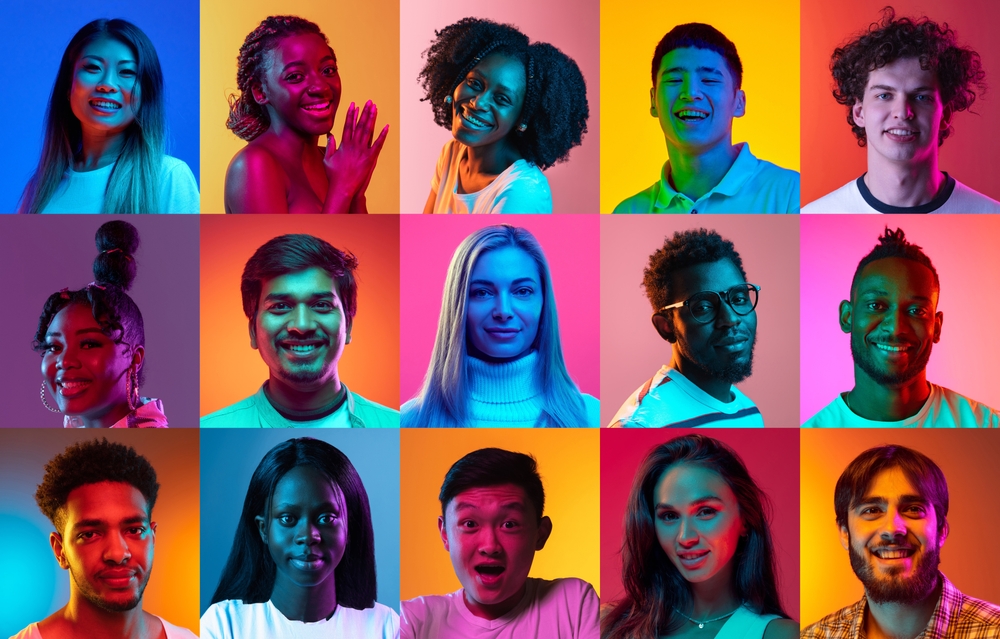
As more brands look to engage Australia’s culturally and linguistically diverse (CALD) communities, the conversation is starting to shift from reach to responsibility.
It’s no longer enough to simply include multicultural audiences in your media plan. The real question is: Is your brand showing up in a way that is culturally safe, relevant, and respectful?
Because when it isn’t, the consequences go beyond wasted budget; they can directly impact brand perception and long-term trust.
Cultural Safety Starts With Understanding
One of the most common missteps in multicultural marketing is the assumption that broad targeting equals meaningful engagement.
On paper, it’s easy to believe that selecting language segments, geographic clusters, or platform-level targeting is enough to reach a CALD audience. In reality, this approach often lacks the depth required to connect in any meaningful way.
CALD communities are not a single, unified audience. They are made up of distinct cultural groups, each with its own values, behaviours, media consumption habits, and expectations of brands. Even within the same language group, generational differences, migration history, and levels of acculturation can significantly influence how a message is received.
Without a clear understanding of who you are speaking to, campaigns risk being directionally correct but ultimately ineffective.
The Risk of “Near Enough” Targeting
A generic media mix, even when layered with some multicultural targeting, can create the illusion of coverage. But in practice, it often results in dilution.
Different communities engage with different platforms, and more importantly, they place trust in very specific environments. Community media, in-language publishers, and culturally relevant digital ecosystems are not interchangeable with mainstream channels. They play a distinct role in how information is received and validated.
If your brand appears in the wrong context, or alongside content that doesn’t align with community expectations, it can feel out of place at best and, at worst, inauthentic or insensitive.
This is where cultural safety becomes critical. It’s not just about being seen; it’s about being seen in the right way, in the right place.
From Audience Targeting to Audience Understanding
To move beyond surface-level engagement, brands need to shift from targeting audiences to truly understanding them.
This means developing a clear view of:
- Who the specific community is (beyond just language)
- How they consume media and where trust sits
- What drives decision-making within that group
- How your brand is currently perceived or if it’s recognised at all
This level of insight doesn’t come from standard planning tools alone. It comes from cultural consultation, community engagement, and experience working closely with these audiences over time.
Getting It Right
When done well, multicultural marketing doesn’t just extend reach; it builds trust, relevance, and long-term brand equity within communities that are often highly engaged and influential.
Cultural safety is not about avoiding mistakes. It’s about demonstrating a genuine understanding of the people you are trying to reach and showing up in a way that reflects that understanding.
Because in multicultural marketing, how you show up matters just as much as where you show up.